
Blog Details
Nobody likes to sit in the dental chair and hear that they have a cavity. If your dentist notices early signs of enamel damage, you might find yourself asking: can tooth decay be reversed?
The good news is that under the right conditions, your teeth can actually heal themselves. However, timing is everything. To help our patients in St. Petersburg protect their smiles, we have put together this simple guide on how to spot early decay, rebuild your enamel, and keep your mouth healthy.
Key Takeaways: Reversing Tooth Decay
- Yes, but only in the early stages. Tooth decay can be stopped and reversed, but only before a permanent hole (cavity) forms in the tooth.
- Watch for white spots. Chalky white spots on the surface of your teeth are the very first sign of early decay and mineral loss.
- Minerals are the cure. Fluoride, calcium, and phosphate work together to repair and harden weak tooth enamel naturally.
- Once a cavity forms, you need a filling. If the decay completely breaks through the enamel layer, it cannot be reversed. A dentist must fix it with a filling.
How Does the Decay Process Start?
To understand how healing works, you first need to know how the damage happens.
It all starts with the bacteria in your mouth. When you eat sugary or starchy foods, these germs feast on the leftover sugars and produce harsh acids. Over time, this process leads to sticky plaque buildup on the surface of your teeth.
These acids are dangerous because they slowly attack your hard tooth enamel. The acid drains the enamel of important minerals. For a more detailed look at exactly how this happens, you can read this helpful guide on the tooth decay process from the National Institute of Dental and Craniofacial Research.
Catching It in the Early Stages
So, can a cavity be reversed? The answer depends on how much damage has been done.
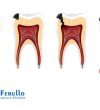
At its earliest stage, tooth decay does not look like a dark hole. Instead, it often shows up as small, chalky white spots on your teeth. This means the enamel is weak and has lost its minerals, but the tooth is not permanently broken yet. During these early stages, the damage can still be fixed.
However, once a true dental cavity forms, meaning the acid has eaten a permanent hole into the tooth, it cannot heal itself. Once a cavity forms, you will need to visit the dentist to have the decay cleaned out and filled.
How to Rebuild Your Tooth Enamel
If you catch the problem before a hole appears, you can reverse tooth decay by replacing the lost minerals. This process is called remineralization.
Your saliva does a lot of the heavy lifting. Saliva naturally washes your teeth in calcium and phosphate, which helps repair the enamel.
You can speed up this healing process at home. Make sure to use a high-quality fluoride toothpaste every time you brush your teeth. Fluoride is a super-mineral that makes your enamel stronger and fights off cavity-causing bacteria. For extra protection, your dentist might also recommend professional fluoride treatments during your regular dental checkups.
Protecting Your Oral Health
When it comes to your smile, preventing cavities is always better than treating them. Maintaining good oral hygiene is the best way to keep your teeth strong.
Brush your teeth twice a day, floss daily to remove hidden food particles, and limit sugary snacks. Most importantly, make sure to visit your dentist regularly. Regular checkups allow your dental team to spot weak enamel early, helping you maintain excellent oral health for life.
Frequently Asked Questions (FAQs)
Can a cavity heal naturally?
No, a true cavity cannot heal naturally. Once the enamel has a physical hole in it, a dentist must treat it with a filling. Only the very early stages of decay (before a hole appears) can be reversed.
What do white spots on my teeth mean?
White spots are an early warning sign of decay. They show exactly where acid has stripped vital minerals away from your tooth enamel.
How does fluoride help reverse decay?
Fluoride teams up with the minerals in your saliva to rebuild your enamel. It creates a harder, stronger surface on your teeth that is more resistant to future acid attacks.
How long does it take to reverse early tooth decay?
It can take anywhere from a few weeks to a few months of using fluoride, eating less sugar, and brushing properly to rebuild the lost minerals in your enamel.
Looking for expert dental care in St. Petersburg, FL? Contact the office of Dr. John Ferullo (Your Downtown Dentist) today to schedule your next checkup and keep your smile healthy!